
Fintech and digital banking have completely transformed the way we manage money. What once required long queues at a bank branch can now be done in seconds on a smartphone. From sending money instantly to investing with a few taps, financial technology has made banking faster, smarter, and more accessible for everyone.
Fintech, short for financial technology, refers to innovative digital solutions that improve and automate financial services. Digital banking is a major part of this ecosystem, offering full banking services through mobile apps and websites without the need for physical branches. Together, they are creating a new financial world that is simple, secure, and user-friendly.
One of the biggest advantages of fintech is convenience. With digital banking apps, users can open accounts, check balances, pay bills, transfer money, apply for loans, and invest anytime, anywhere. This 24/7 access saves time and removes geographical barriers, especially for people living in remote areas who previously had limited access to banking services.
Security is another strong pillar of fintech and digital banking. Advanced technologies like biometric authentication, two-factor verification, encryption, and AI-powered fraud detection protect users from cyber threats. While online security is a common concern, fintech companies invest heavily in building safe and reliable platforms that meet global security standards.
Fintech has also made financial services more inclusive. Digital wallets, UPI, and neobanks have brought millions of unbanked and underbanked people into the formal financial system. Small businesses and freelancers can now accept digital payments easily, manage cash flow, and access quick credit without complicated paperwork. This inclusion is driving economic growth and empowering individuals to take control of their finances.
Another major impact of fintech is on investing and wealth management. Robo-advisors, trading apps, and micro-investing platforms have made investing simple and affordable. Beginners can start with small amounts, learn through in-app education, and build wealth gradually. This has changed the mindset from saving only to actively investing for the future.
Digital banking is also reshaping customer experience. Personalized offers, smart budgeting tools, instant notifications, and spending insights help users understand and manage their money better. Banks are no longer just service providers, they are becoming financial partners that guide users toward better financial decisions.
Looking ahead, fintech will continue to evolve with technologies like artificial intelligence, blockchain, open banking, and embedded finance. These innovations will make financial services even more intelligent, transparent, and seamless. The future of finance is digital, and those who adapt early will benefit the most.
Fintech and digital banking are not just trends, they are the foundation of modern finance. By embracing these technologies, individuals and businesses can enjoy smarter, faster, and more secure financial experiences.
Related Posts
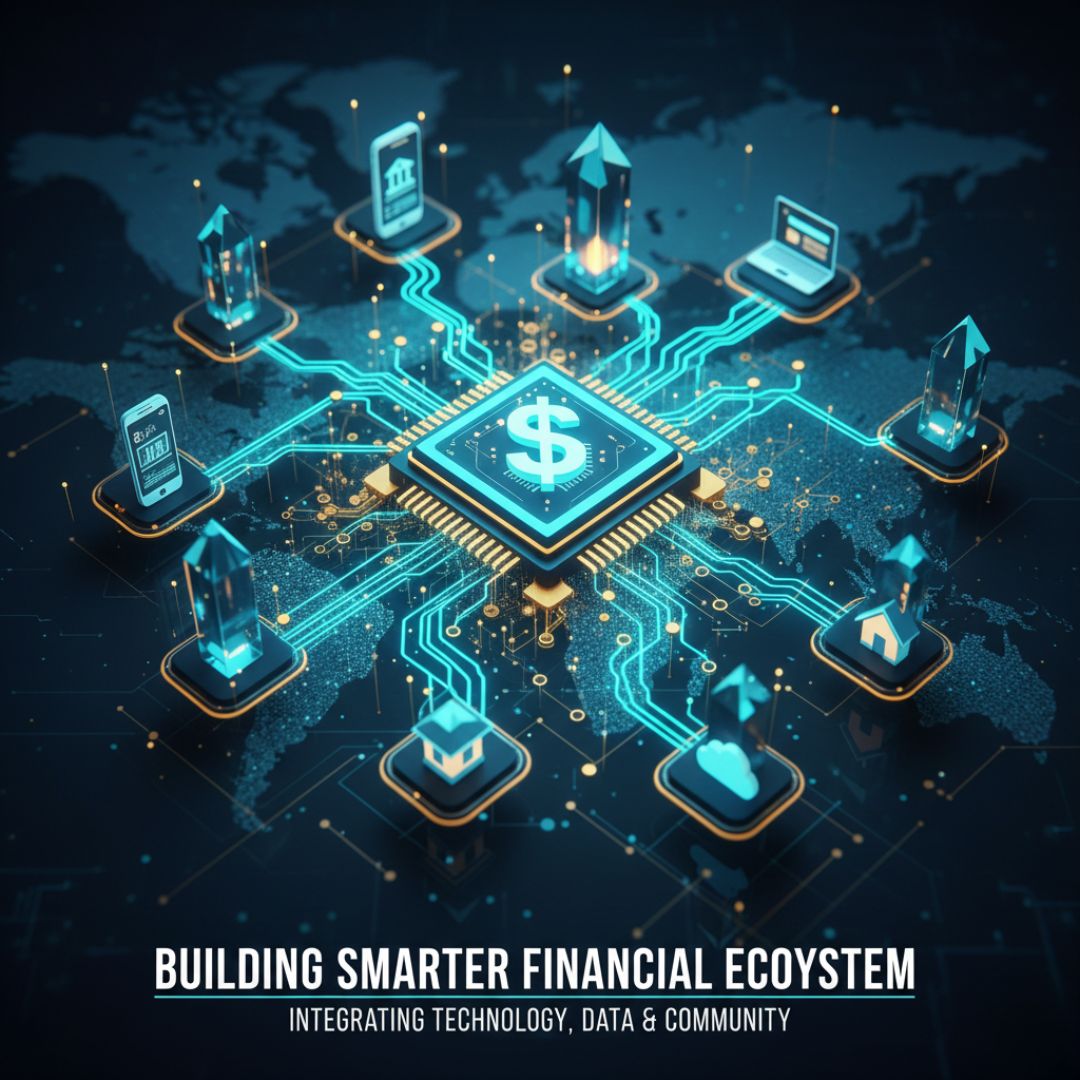
Building a Smarter Financial Ecosystem
Fintech and digital banking are reshaping the financial world by…

Powering the New Age of Smart Money
The rise of fintech and digital banking has changed how…